Weird history podcasts — Turn odd stories into audio
Looking for weird history podcasts about odd and unusual historical events? NextListen makes it easy to turn that curiosity into a multi-episode audio course with two natural-sounding hosts.
Upload a PDF, pick a topic, or ask for a custom series—shows are generated in about two minutes, personalized to you, and free to try with no app install.
- Free to try
- Ready in ~2 minutes
- Personalized to you
Start listening
 3 EP
3 EP 1 EP
1 EP 2 EP
2 EPInside “Odd Moments in Time”
- When Strasbourg Danced (1518)2 min
A July in 1518 when a sudden urge to dance swept Strasbourg — and no one quite knows why.
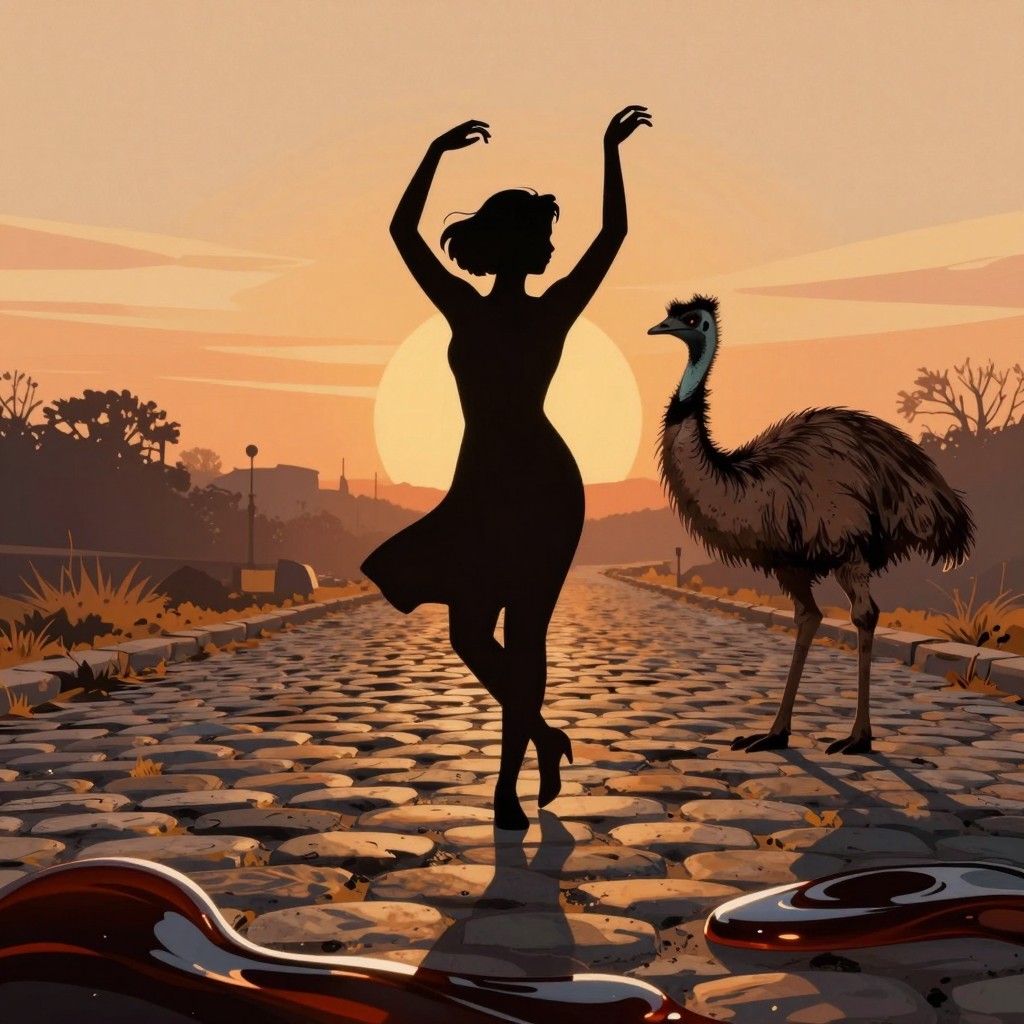
- The Great Emu 'War' (1932)2 min
Australian soldiers vs. emus—machine guns, chaos, and the birds mostly winning.
- The Molasses Flood (1919)2 min
A Boston storage tank burst and a 25-foot wave of molasses tore through the North End.
What a weird-history series sounds like
You’ll get a binge-able show split into short episodes that focus on single bizarre events, surprising characters, and strange cultural moments. Two conversational hosts guide you through context, why it matters, and suggested reading—so it feels like a thoughtful, late-night discussion rather than a lecture.
How to make a show in minutes
Tell NextListen the subject (for example: forgotten medical oddities, uncanny coincidences, or bizarre legal cases), or upload an article or PDF. The system outlines episodes, writes scripts in a conversational voice, assigns two realistic hosts, and delivers downloadable audio—usually in about two minutes.
Personalize it for you
Choose episode length, tone (curious, playful, or investigative), and whether you want extra context like timelines or sources. You can also ask for a single narrated deep dive or a bedtime-style story version of a historical oddity tailored to a listener’s age and interests.
A taste of the audio
From “When Strasbourg Danced (1518)”:
MayaWelcome to Odd Moments in Time, where history takes one look at dignity and says, “No, thank you.” I’m Maya.
HugoAnd I’m Hugo, already worried about the phrase “dancing plague.”
MayaFair. But in Strasbourg, in the Holy Roman Empire, on July 14, 1518, a woman called Frau Troffea stepped into the street and began dancing.
HugoLike, at a festival?
MayaNo festival. No obvious celebration. She just kept going. Contemporary reports described an “uncontrollable urge to dance” spreading through town, which is a deeply unsettling way to describe cardio.
HugoEspecially in 1518, when your trainers were probably wooden shoes and optimism.
MayaWithin a week, more than 30 people had joined her. By August, reports put the number somewhere between 50 and 400.
HugoThat is not a dance class. That is a municipal emergency.
MayaIt went on for weeks. People reportedly collapsed from exhaustion, heart attacks, or strokes. And the authorities, um, made a choice.
HugoI can hear the bad choice approaching.
MayaThey built a stage and hired musicians, believing the dancers needed to dance it out.
HugoAh yes. Treat the mysterious compulsive dancing with a live band. Medicine, but make it jazzy.
MayaThe outbreak lasted from July into September. Contemporary chronicles and physician notes recorded it, but the cause is still debated. Some scholars suggest mass psychogenic illness. Others point to ergot poisoning from contaminated rye.
HugoSo: collective stress, weird bread, or something we still can’t explain.
MayaHistory’s least relaxing dance floor. Join us next time for another odd little crack in the timeline.
HugoBring comfortable shoes.
Questions, answered
Can NextListen use my PDF or notes to make a podcast?
Yes—upload a PDF or paste your notes and NextListen will convert the text into a multi-episode podcast outline and finished audio.
How realistic do the hosts sound?
The hosts are designed to sound natural and conversational, with two distinct voices that mirror a real co-hosted show.
Is there a cost to try it?
You can try NextListen for free—creates are fast and require no app install so you can hear a sample within minutes.
Can I get sources and a reading list with the episodes?
Yes. You can request episode notes with citations and a suggested reading list to explore the odd events in more depth.
Want this made just for you?
Tell NextListen exactly what you’re curious about — the angle, the depth, even the vibe of the hosts — and it builds your show while you pour a coffee.