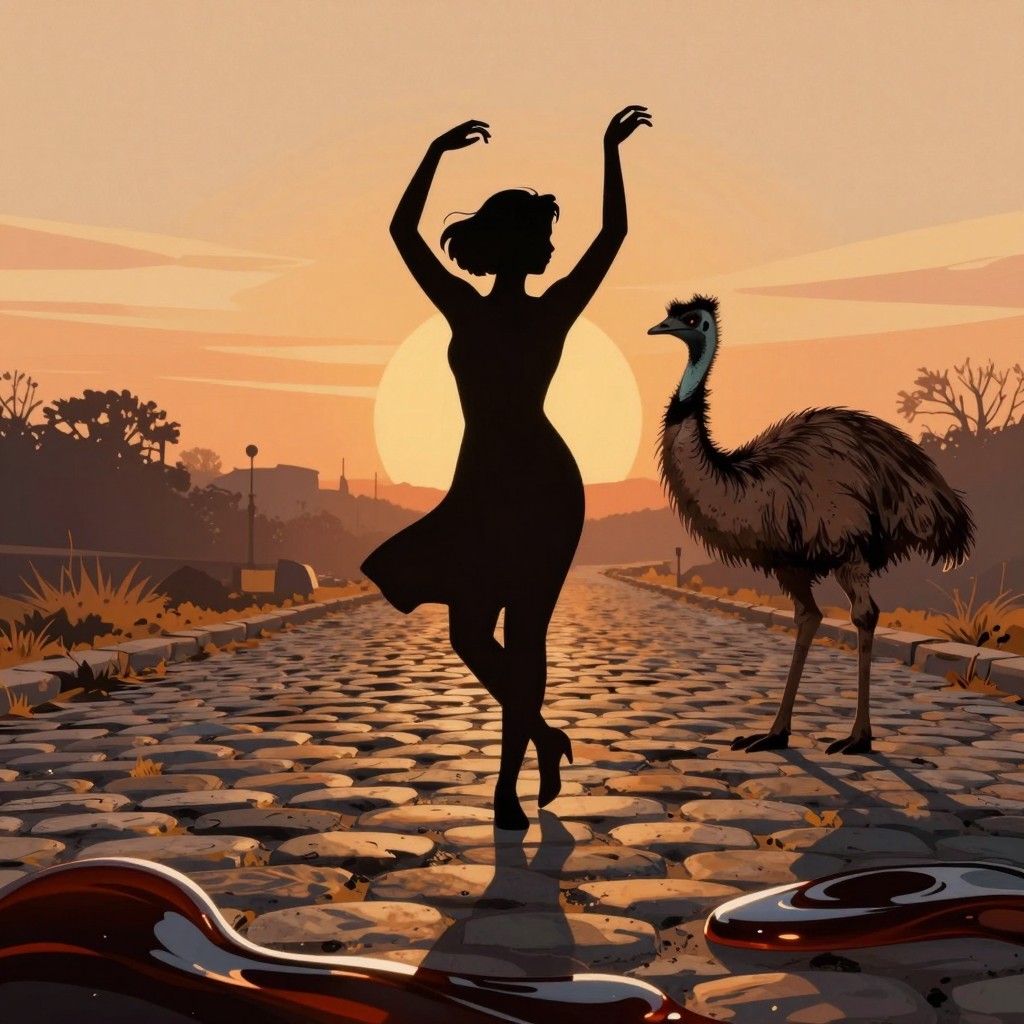
 3 EP
3 EPEpisodes
Transcript
Episode 1 · When Strasbourg Danced (1518)
Maya: Welcome to Odd Moments in Time, where history takes one look at dignity and says, “No, thank you.” I’m Maya. Hugo: And I’m Hugo, already worried about the phrase “dancing plague.” Maya: Fair. But in Strasbourg, in the Holy Roman Empire, on July 14, 1518, a woman called Frau Troffea stepped into the street and began dancing. Hugo: Like, at a festival? Maya: No festival. No obvious celebration. She just kept going. Contemporary reports described an “uncontrollable urge to dance” spreading through town, which is a deeply unsettling way to describe cardio. Hugo: Especially in 1518, when your trainers were probably wooden shoes and optimism. Maya: Within a week, more than 30 people had joined her. By August, reports put the number somewhere between 50 and 400. Hugo: That is not a dance class. That is a municipal emergency. Maya: It went on for weeks. People reportedly collapsed from exhaustion, heart attacks, or strokes. And the authorities, um, made a choice. Hugo: I can hear the bad choice approaching. Maya: They built a stage and hired musicians, believing the dancers needed to dance it out. Hugo: Ah yes. Treat the mysterious compulsive dancing with a live band. Medicine, but make it jazzy. Maya: The outbreak lasted from July into September. Contemporary chronicles and physician notes recorded it, but the cause is still debated. Some scholars suggest mass psychogenic illness. Others point to ergot poisoning from contaminated rye. Hugo: So: collective stress, weird bread, or something we still can’t explain. Maya: History’s least relaxing dance floor. Join us next time for another odd little crack in the timeline. Hugo: Bring comfortable shoes.
Episode 2 · The Great Emu 'War' (1932)
Maya: Last time, Strasbourg danced itself into history in 1518. Today, Hugo, Australia answers with an even stranger sentence: the army went to war with emus. Hugo: “War” was the media nickname later, to be fair. Officially, it was crop protection with machine guns, which somehow sounds worse. Maya: Right? It was 1932, in Campion, out in Western Australia’s Wheatbelt. Veterans were farming tough marginal land after World War I, the Depression was squeezing wheat growers, and then roughly 20,000 emus came stomping into farming country. Hugo: A bad year to be a farmer. A very good year to be a large, fast bird. Maya: The government sent Royal Australian Artillery soldiers under Major G.P.W. Meredith, with two Lewis light machine guns and 10,000 rounds. On November 2, they met about 50 emus near Campion. Hugo: Fifty birds, two guns. This sounds manageable. Maya: And yet, uh, the birds scattered. Then, on November 4, an ambush by a dam targeted more than 1,000 emus. Gun jams meant only 12 birds were killed. Hugo: The emus had not sabotaged anything. They simply benefited from machinery being machinery. Maya: Exactly. The operation resumed, but by December 10, the reported tally was 986 confirmed emus killed with 9,860 rounds expended. Hugo: About ten rounds per confirmed bird. Not the tidy victory anyone had pictured. Maya: No. The emus stayed remarkably elusive and resilient, crops kept suffering, and the whole thing was judged unsuccessful. Hugo: Humanity: humbled by birds. Maya: Next time, another odd moment in time... and, hopefully, fewer feathers.
Episode 3 · The Molasses Flood (1919)
Maya: After The Great Emu “War” (1932), I thought history had already used up its absurd ammunition. Hugo: Yeah, but it had molasses in reserve. Maya: On January 15, 1919, in Boston’s North End, a 50-foot-tall steel tank owned by the United States Industrial Alcohol Company ruptured. About 2.3 million gallons of molasses came out, which is already a sentence that feels sticky. Hugo: Also, not a cute spill. The surge became a wave estimated at 15 to 25 feet high, about 50 feet wide, moving around 35 miles an hour. Maya: A witness called it a “dark, sticky tide,” and honestly, that’s perfect. Buildings were destroyed, an elevated train line was toppled, and people were caught in this impossible brown force. Hugo: The day was unusually warm, around 40 degrees Fahrenheit, which contributed. And before anyone starts whispering sabotage, it was structural failure. Maya: Twenty-one people were killed, and 150 were injured. The ridiculousness vanishes pretty fast there. Hugo: Yeah. Cleanup took days. Workers used picks and chisels to get molasses out of streets and basements. Like archaeology, but breakfast-themed. Maya: The disaster helped bring stricter building regulations and professional certification for engineers. And residents said the area smelled of molasses on hot summer days for decades. Hugo: A city haunted by pancake breakfast. Maya: Thanks for spending these odd moments with us. Take care, everyone.