 1 EP
1 EPEpisodes
Transcript
Episode 1 · When Bulbs Became Banknotes
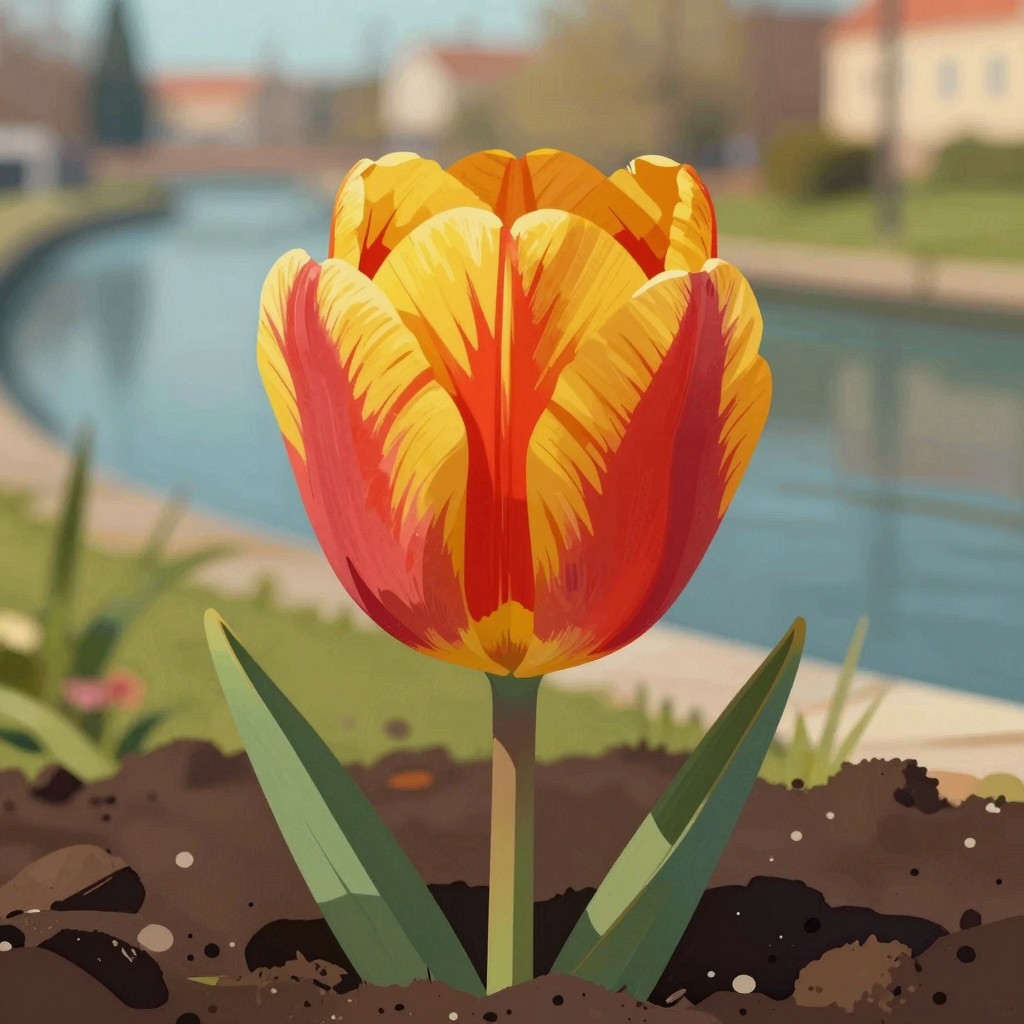
Marta: Picture the Dutch Golden Age, canals glittering, merchants in velvet, and everybody suddenly losing their minds over... flower bulbs. Tiny, grubby little bulbs. Hugo: History’s most famous gardening invoice, basically. Marta: Exactly. Tulips arrived in the Netherlands from the Ottoman Empire in 1554, brought by Ogier de Busbecq. Then Carolus Clusius successfully grew them there by 1593, and, well, Dutch fashion did the rest. Hugo: Tulips became elite status symbols. Not just pretty flowers, but proof you had taste, money, and apparently a very serious opinion about petals. Marta: The rare patterned ones were the real stars. Streaked, flame-like colors, very dramatic, like a tiny silk painting in a vase. Jan Bruegel the Elder even painted tulips, so they were absolutely part of the visual culture. Hugo: Then, from 1634 to 1637, people began trading bulbs speculatively. Often they were buying forward contracts, agreements to purchase a bulb later, rather than passing actual bulbs around like floral poker chips. Marta: And prices climbed, climbed, climbed. By February 1637, some bulbs sold for more than ten times a skilled artisan’s annual income. For a bulb. A bulb that, uh, does not pay rent. Hugo: Then buyers failed to appear at an auction in February 1637, confidence cracked, and prices dropped sharply. Marta: The classic version says the entire Netherlands collapsed into despair and bankruptcy. Hugo: Which is the myth-busting bit. It was dramatic, yes, but it did not cause a catastrophic Dutch economic crash or widespread ruin. The long-term impact was minimal. Marta: So, tulip mania, less “nation destroyed by flowers,” more “a very fashionable market got wildly overheated.” Hugo: And now we use the phrase for big economic bubbles. Poor tulips, still catching the blame. Marta: Justice for flowers. See you next time.