neuroscience podcast: short courses on the brain
Looking for a neuroscience podcast that actually teaches you something? Listen to compact, hosted audio courses that explain the brain in plain language — from pain perception to cephalopod intelligence.
NextListen creates exactly the audio you want: two-host shows, personalized episodes, or an uploaded PDF turned into a bingeable series in about two minutes. Free to try, no app install.
- Free to try
- Ready in ~2 minutes
- Personalized to you
Start listening
 2 EP
2 EP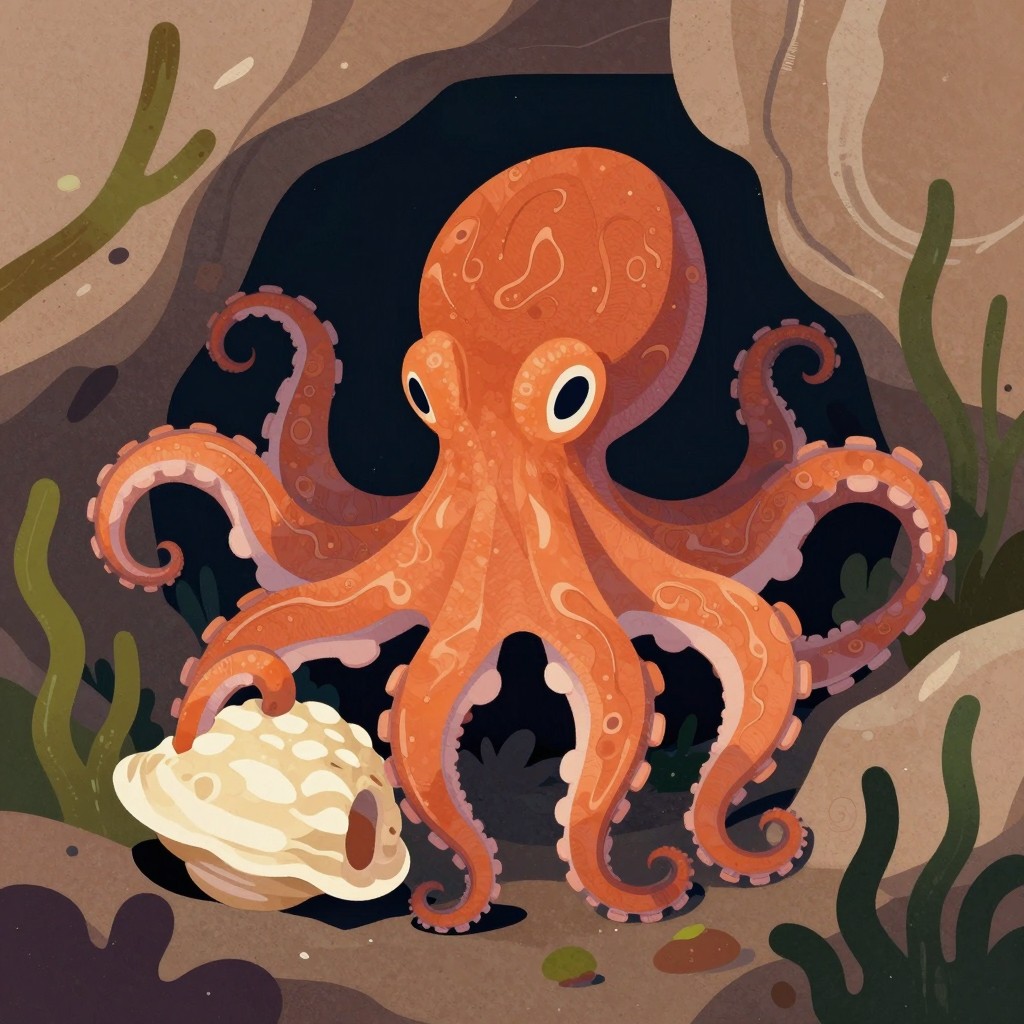 1 EP
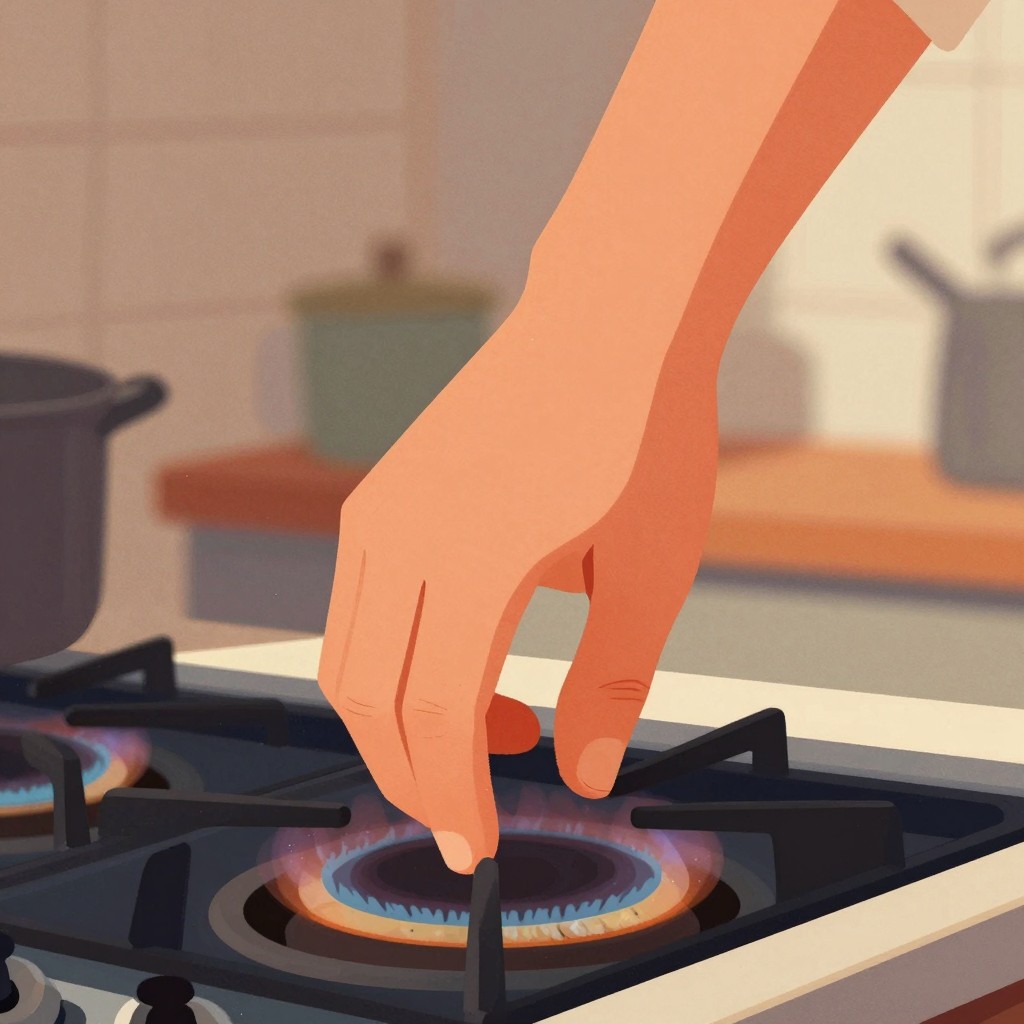
1 EPInside “Why Pain Hurts”
- Flash: How Pain Begins2 min
A patient vignette that reveals the body’s early warning system and pain types.
- Hold: Why It Hurts and What Modulates It2 min
How the brain shapes pain: emotion, memory, and ways to change the feeling.
Real shows that match this search
Start with guest-ready episodes already on NextListen: 'Why Pain Hurts' is a warm two-episode deep dive into the biology and psychology of pain, and 'Octopus Minds: How Different Is Intelligence?' is a relaxed, one-episode guide to octopus brains. Both are hosted conversations designed for curious listeners.
Make your own neuroscience audio course
Pick a topic — synapses, neural development, cognitive bias — then choose tone, length, and two realistic hosts. Upload a paper or PDF and we’ll turn it into a multi-episode show, personalized with examples or bedtime-story style explanations if you want.
How it fits your learning
Short episodes make complex ideas easy to revisit and remember. Whether you want a one-episode primer for a commute or a mini-course to binge, NextListen tailors pacing and depth so the material stays practical and engaging.
A taste of the audio
From “Flash: How Pain Begins”:
MayaYour hand lands on the stove before your mind has caught up. Smooth metal, a flash of heat, and then, whoosh, your arm is already back against your chest. For a second you just stare at your palm. How did your body move that fast?
OwenTiny alarm sensors in the skin, basically. They’re called nociceptors, specialized nerve endings that notice potentially harmful heat, crushing pressure, or irritating chemicals.
MayaSo the stove doesn’t send “pain” into the hand, exactly.
OwenRight. Important distinction. The heat changes those nerve endings, and they convert that danger into electrical signals. Those signals race along nerve fibers to the spinal cord, then upward to the brain.
MayaAnd pain arrives there?
OwenWell, not as a sealed package. The spinal cord can turn the message up or down a bit before it goes on. Then the brain puts the whole scene together: where it happened, how intense it is, what you’re feeling, what you think it means. Pain is an unpleasant sensory and emotional experience associated with actual or potential tissue damage.
MayaWhich explains why that tiny burn can feel enormous when you’re scared, or when you’ve had a bad burn before.
OwenExactly. The brain isn’t making it up. It’s making meaning from evidence.
MayaUsually, that sharp warning is acute pain, short-term and protective.
OwenChronic pain is different. It persists beyond expected healing. We’ll spend more time with that complicated story next episode.
MayaFor now, your takeaway: pain begins as a warning signal, but becomes an experience in the whole nervous system.
OwenAnd that flash? It’s your protection system moving fast.
Questions, answered
Can I turn a research paper or PDF into a podcast?
Yes — upload a PDF and NextListen converts it into a hosted audio series, preserving key points and structuring episodes for clarity.
How long does it take to create a show?
Shows are created in about two minutes after you specify topic, tone, and length.
Do I need to install an app?
No app install is required — you can try and listen in your browser for free.
Can the episodes be personalized to me?
Yes — you can request examples tailored to your background, preferred depth, or even bedtime-story phrasing for tricky concepts.
Want this made just for you?
Tell NextListen exactly what you’re curious about — the angle, the depth, even the vibe of the hosts — and it builds your show while you pour a coffee.