 2 EP
2 EPEpisodes
Transcript
Episode 1 · Flash: How Pain Begins
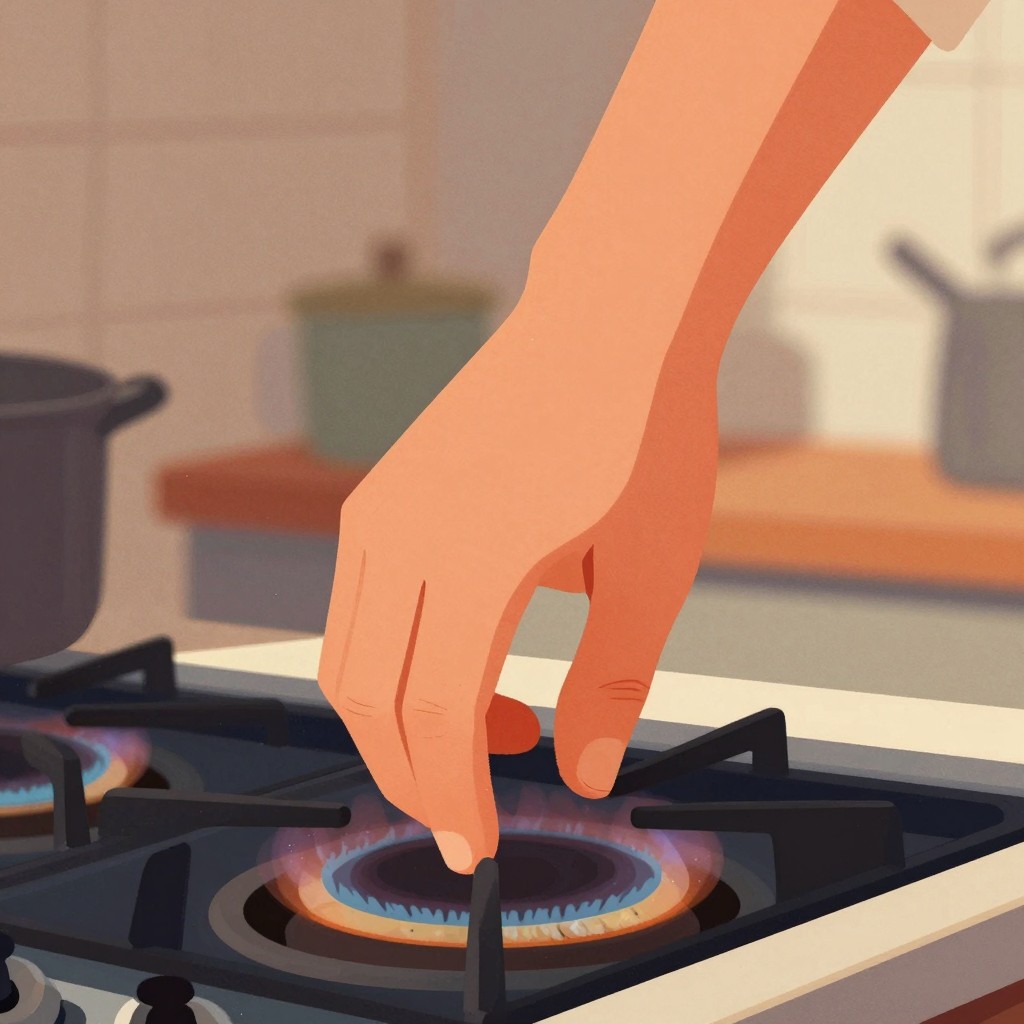
Maya: Your hand lands on the stove before your mind has caught up. Smooth metal, a flash of heat, and then, whoosh, your arm is already back against your chest. For a second you just stare at your palm. How did your body move that fast? Owen: Tiny alarm sensors in the skin, basically. They’re called nociceptors, specialized nerve endings that notice potentially harmful heat, crushing pressure, or irritating chemicals. Maya: So the stove doesn’t send “pain” into the hand, exactly. Owen: Right. Important distinction. The heat changes those nerve endings, and they convert that danger into electrical signals. Those signals race along nerve fibers to the spinal cord, then upward to the brain. Maya: And pain arrives there? Owen: Well, not as a sealed package. The spinal cord can turn the message up or down a bit before it goes on. Then the brain puts the whole scene together: where it happened, how intense it is, what you’re feeling, what you think it means. Pain is an unpleasant sensory and emotional experience associated with actual or potential tissue damage. Maya: Which explains why that tiny burn can feel enormous when you’re scared, or when you’ve had a bad burn before. Owen: Exactly. The brain isn’t making it up. It’s making meaning from evidence. Maya: Usually, that sharp warning is acute pain, short-term and protective. Owen: Chronic pain is different. It persists beyond expected healing. We’ll spend more time with that complicated story next episode. Maya: For now, your takeaway: pain begins as a warning signal, but becomes an experience in the whole nervous system. Owen: And that flash? It’s your protection system moving fast. Maya: Next time, why that system sometimes keeps ringing.
Episode 2 · Hold: Why It Hurts and What Modulates It
Maya: Last time, we followed pain’s first alarm, that urgent signal saying, “Something needs protecting.” Today, I keep thinking about Lena. Months after a shoulder injury, she reaches for a mug on the top shelf and... there it is. A hot little catch. Why does the alarm still feel so close? Owen: Because pain isn’t a direct damage meter. Nerves carry information from the body to the spinal cord and brain, sure, but the brain interprets it. It weighs the sensory signal alongside attention, expectations, memory, stress. Maya: So her shoulder is part of the story, and so is the room around her. If she’s exhausted, worried, sort of bracing for it... Owen: ...the volume can rise. Fear and anxiety can amplify pain. Genetics and environment can shape perception, too. Think of the brain as a sound mixer, deciding what gets the front speaker. Maya: Let’s try a tiny reset. If you have pain right now, notice where it is. Don’t fix it. Just give it a number, zero to ten. Owen: Now name one emotion nearby. “I’m frustrated.” “I’m scared.” “I’m tense.” That doesn’t make pain less real. It gives your brain more information. Maya: Take one slow breath. Let your attention widen to the room... then check the number again. It may shift, or it may not. Owen: But either way, you’ve seen something important. Pain can be influenced by more than tissue alone. Maya: Hold gently. Get curious. We’ll leave the light on for you.