
Cognitive science podcast: quick, friendly guides
Looking for a clear, human-paced cognitive science podcast you can actually finish? Start with short, conversational episodes that explain how brains learn, what intelligence looks like, and how to use that knowledge.
NextListen turns topics like cognitive science into binge-able multi-episode audio with two real-sounding hosts. Try a show for free, upload a PDF to turn into a podcast, or get a version personalized to your interests in about two minutes.
- Free to try
- Ready in ~2 minutes
- Personalized to you
Start listening
 1 EP
1 EP 2 EP
2 EP 3 EP
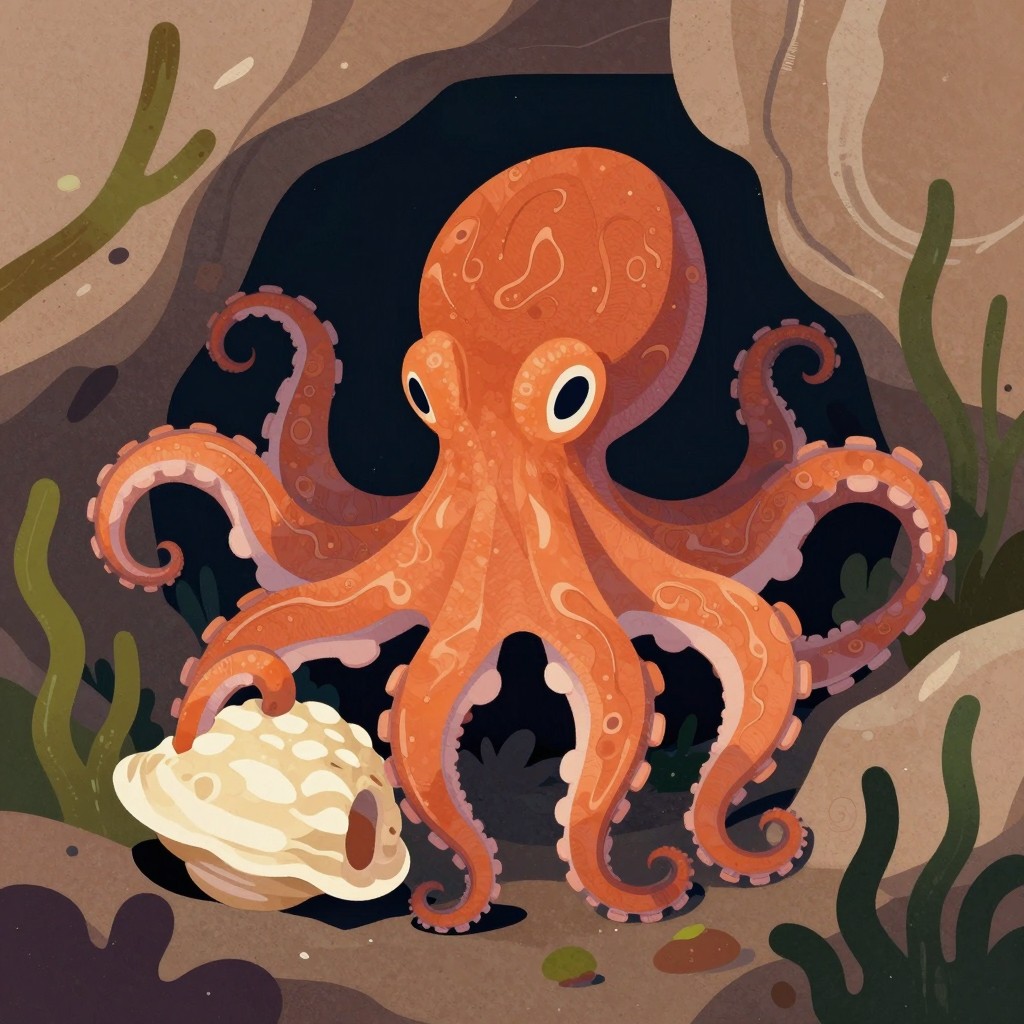
3 EPInside “Octopus Minds: How Different Is Intelligence?”
- Being an Octopus: Brains, Arms, and Surprise7 min
Two hosts walk listeners through the distributed octopus nervous system, real behaviors, and open questions.
Listen now: short shows that match what you want
If you want approachable science, try our real shows: “Octopus Minds: How Different Is Intelligence?” explores nonhuman thinking; “How We Actually Learn” gives practical learning strategies in two short episodes; and “Teenage Years: Science-Based Parenting” turns research into three usable moves. Each is produced with two conversational hosts and ready to play.
Make a custom cognitive science podcast in minutes
Tell NextListen your focus—memory, problem solving, learning techniques, or even a particular paper—and we’ll generate a multi-episode course with natural-sounding hosts. You can upload a PDF to be converted into episodes, choose episode length, and get a version personalized to your needs (free to try, no app install).
Who this works for
Students, parents, teachers, and curious listeners who want research distilled into useful, bite-sized audio. If you prefer learning by listening while commuting or before bed, we make shows that respect your time and attention.
A taste of the audio
From “Being an Octopus: Brains, Arms, and Surprise”:
EnzoPicture an octopus wrapping its arms around a jar, working at the lid, while its skin flashes into the colors and texture of the nearby reef. It looks like a tiny underwater magician.
ArloOr, frankly, a very suspicious roommate who has figured out the snack cupboard.
EnzoExactly. But that raises a bigger question. When we call an octopus intelligent, what do we actually mean?
ArloBecause “intelligent” can quietly mean, “It did a thing I couldn’t do with eight limbs and a wet body.”
EnzoA fair concern. Intelligence isn’t one single trait. It can involve learning, memory, problem-solving, self-control, social reasoning, flexibility. An animal may be strong in some of those and limited in others.
ArloSo today is not, “Are octopuses basically people in scuba gear?”
EnzoDefinitely not. It’s, “What kind of intelligence helps an octopus be an octopus?” And the first clue is that its nervous system is organized very differently from ours.
ArloHere comes the famous bit, where every arm has a brain?
EnzoClose, but that phrase is misleading. Octopus arms contain extensive neural circuits, and a substantial share of the animal’s neurons are in those arms. But each arm is not a separate little octopus with its own life plans.
ArloEight tiny coworkers, all ignoring the manager?
EnzoMore like a director with eight remarkably capable crews. The central brain sets broader goals, things like, “Explore that crevice,” or, “Pull this object closer.” Then each arm can handle a lot of immediate sensory and movement detail locally.
ArloWhich makes sense, because an octopus arm is not like my arm. Mine has a few obvious joints. Theirs can bend, stretch, shorten, twist, and apparently become a new kind of noodle whenever required.
Questions, answered
How long does it take to create a custom cognitive science show?
Shows are created in about two minutes after you provide the topic or upload a PDF.
Can I get a podcast based on a specific paper or textbook chapter?
Yes — upload the PDF and NextListen will convert it into episodes, summarizing and structuring the material into conversational audio.
Are the hosts real people?
The hosts sound real and conversational; they are AI-generated voices designed to feel natural and engaging.
Is there a cost to try it?
You can try NextListen for free with no app install; paid options are available for longer or commercial use.
Want this made just for you?
Tell NextListen exactly what you’re curious about — the angle, the depth, even the vibe of the hosts — and it builds your show while you pour a coffee.