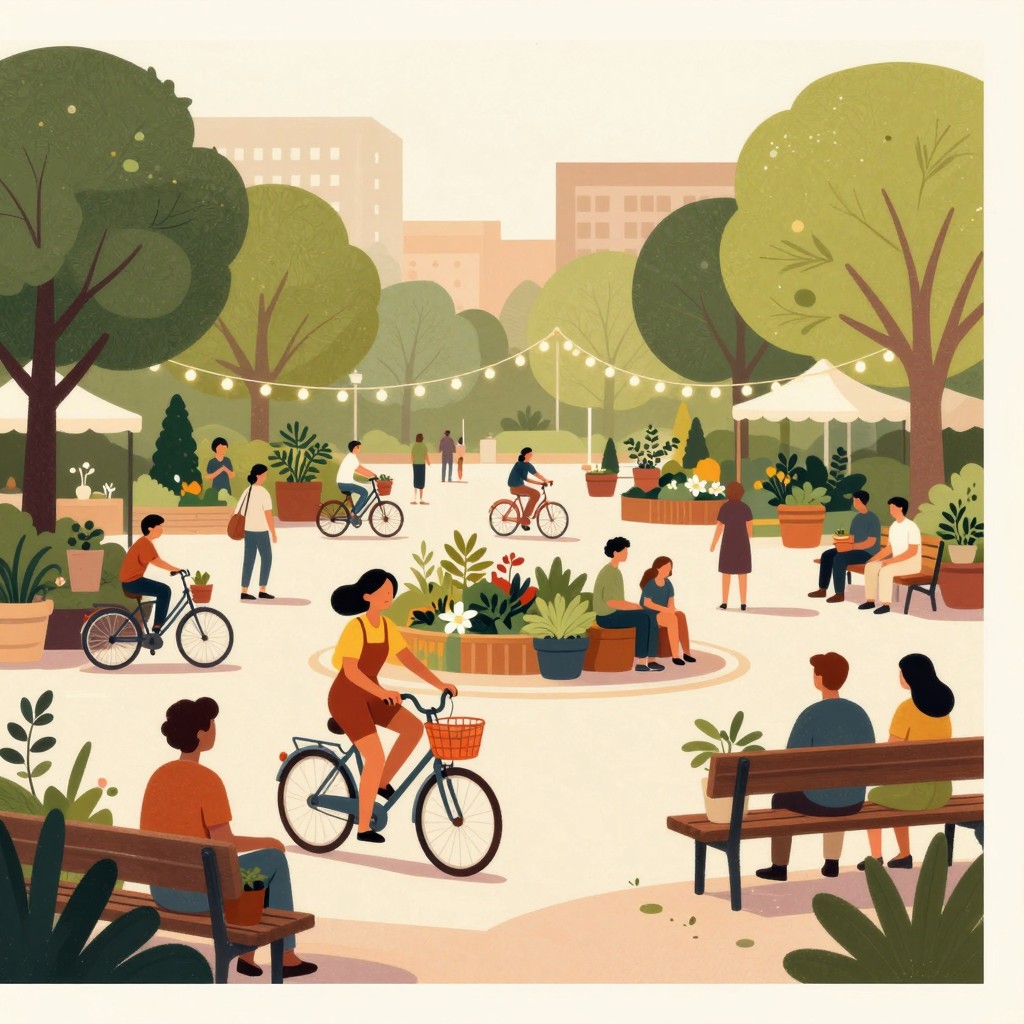
Placemaking podcast: principles, cases, and practice
Looking for a placemaking podcast to learn about designing public spaces, community-led projects, and practical tactics you can use? This page collects the key ideas and points you toward tailored audio you can listen to, share, or turn into a teaching series.
NextListen can turn any placemaking topic—PDFs, course notes, or your project brief—into a binge-able, multi-episode show with two real-sounding hosts in about two minutes. Free to try, no app install.
- Free to try
- Ready in ~2 minutes
- Personalized to you
Start listening
 6 EP
6 EP 1 EP
1 EP 1 EP
1 EPInside “The Social Skills Nobody Taught You”
- How to Make Conversation Feel Effortless4 min
Turn awkward small talk into steady conversation using listening, open questions, and body language.
- Listening Without Waiting Your Turn4 min
Learn empathic listening that prioritizes understanding over planning a reply.
- Disagreeing Without Making an Enemy4 min
How to express disagreement while staying calm, respectful, and constructive.
- Reading a Room Without Overthinking It4 min
Quick, usable ways to gauge group mood and adjust your approach without paralysis.
- Setting Boundaries Without Sounding Cold4 min
Say no and protect your needs while keeping warmth and clarity.
- Becoming More Memorable4 min
Make stronger impressions with authentic engagement, stories, and approachable body language.
What placemaking covers
Placemaking combines design, public policy, and community collaboration to make useful, welcoming public spaces. Episodes should cover core principles (human-centered design, activation, accessibility), stakeholder engagement, and measuring social impact.
Case studies you can learn from
Good audio lessons use short, focused case studies—park pop-ups that changed behavior, tactical urbanism that led to permanent change, or participatory budgeting that shifted priorities. On NextListen you can convert reports or PDFs about these projects into episode scripts and narrations in minutes.
Turn this into a custom audio course
Upload your meeting notes, community plans, or a field guide and get a ready-made series with two hosts that sounds natural and practical. You can choose episode length, tone, and whether to include prompts for community workshops or discussion guides.
A taste of the audio
From “How to Make Conversation Feel Effortless”:
MayaIf your conversations keep turning into polite little dead ends, the problem may not be that you’re boring. It may be that you’re moving on too fast.
RafiAh, yes. The conversational drive-by. “How was your weekend?” “Good.” “Nice. So, have you watched anything lately?” Nobody gets hurt, but nobody gets known either.
MayaExactly. This episode is about making conversation feel easier by doing one very small thing differently: stay with what the other person gives you for one more beat.
RafiNot becoming an interviewer. Not suddenly doing intense eye contact like you’re negotiating a hostage release.
MayaPlease don’t. Warmth is usually quieter than that. A relaxed posture, occasional eye contact, a nod when it fits... those cues can make it easier for someone to keep talking. Then your words do the important part.
RafiWhich is?
MayaAsk an open question, reflect one point back, then continue. Open questions invite more than a yes or no. Reflections show you actually caught something.
RafiOkay, demo. I say, “My weekend was kind of chaotic. My sister moved apartments, and somehow I became the person carrying all the boxes.”
MayaI might say, “You got drafted into moving-day labor. What made it so chaotic?”
RafiRight. You didn’t leap to, “Oh, I hate moving,” and make it your story. You picked up one thing I said, then gave me somewhere to go.
MayaAnd the reflection doesn’t need to sound therapeutic. You’re not saying, “It sounds as though you experienced considerable box-related burden.”
RafiThank you. I have experienced considerable box-related burden, though.
MayaAnother one. You say, “Work’s been busy, but in a good way. I’m finally leading a project.”
Questions, answered
Can NextListen turn a placemaking PDF into a podcast?
Yes—upload your PDF and NextListen will convert it into a multi-episode podcast course with real-sounding hosts in about two minutes.
How deep can a generated series go on technical topics?
You control depth: provide detailed source material or an outline and the generated episodes will reflect that level of technical detail and case-study focus.
Can I make shows for different audiences (residents, planners, funders)?
Yes—choose tone and structure for each audience and NextListen will tailor language, episode examples, and calls to action accordingly.
Are there existing shows on related topics I can use for inspiration?
Yes—listen to real shows like “The Social Skills Nobody Taught You,” “More Human with Machines,” and “Small Acts for Real Gender Balance” to see formats and pacing that work well.
Want this made just for you?
Tell NextListen exactly what you’re curious about — the angle, the depth, even the vibe of the hosts — and it builds your show while you pour a coffee.