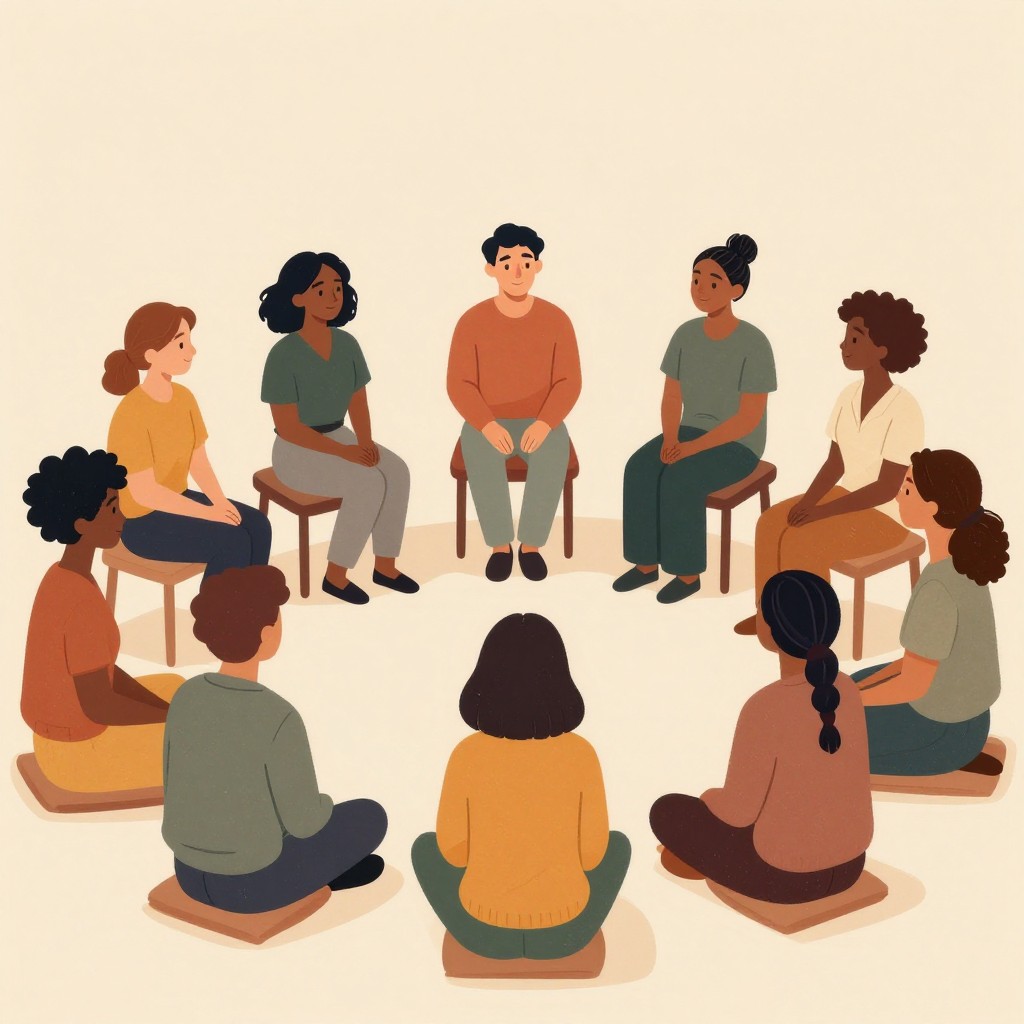
Types of Mental Health: Conditions and Care Explained
Mental health covers many conditions — mood, anxiety, trauma-related, neurodevelopmental, and more — and each has different signs and care options. This page explains the main types and what treatment can look like.
If you want a quick audio tour, try the short, real-sounding shows below or create a personalized mini-course in two minutes with NextListen: pick a topic, upload a PDF, or ask for a bedtime story version tailored to you.
- Free to try
- Ready in ~2 minutes
- Personalized to you
Start listening
 2 EP
2 EP 2 EP
2 EP 2 EP
2 EPInside “Steady: Two-Minute Care for Moms”
- When the Load Feels Heavy2 min
Name the burden, lock in one small control, and try a 60‑second breathing reset.
- Small Wins and Real Supports2 min
Build perceived control, try a minute grounding, and find two community tools that help.
Common categories and what they mean
Mood disorders (like depression and bipolar) affect your feelings and energy. Anxiety disorders produce persistent worry and physical tension. Trauma- and stress-related conditions follow difficult or frightening events. Neurodevelopmental conditions such as ADHD and autism affect attention, learning, and social interaction. Each category includes different symptoms and everyday impacts, so clear description helps match the right care.
Types of care that actually help
Effective care includes psychotherapy (CBT, trauma-focused therapies), medication when appropriate, practical supports (sleep, activity, social connection), and targeted programs for specific needs. Evidence-first guides — like the NextListen show "Treatments That Work: Depression & Anxiety" — summarize how treatments work and how quickly they act. Brief, practical approaches can be a good first step while you find ongoing support.
Listen now: short, useful audio guides
If you prefer to learn by listening, try "Why We Procrastinate - Even When We Care" for behavior-focused insights, or "Steady: Two-Minute Care for Moms" for compassion and tiny practices aimed at caregivers. These are short, real-sounding shows made for quick learning — or make your own tailored audio in about two minutes with NextListen.
A taste of the audio
From “When the Load Feels Heavy”:
Hey, it’s Ivy. Welcome to Steady, Two-Minute Care for Moms. And, um, if today feels like one long string of needs, appointments, decisions, texts you still have to answer... yeah. I get why your body might feel like it’s bracing for something.
Caregiver load can be really heavy. Not because you’re doing it wrong, obviously, but because there is just so much to hold. Anxiety is common here. That tight chest, the racing list in your head, the feeling that you should be doing one more thing... you’re not alone in that.
So, let’s make this tiny. No big plan. No perfect routine, ha.
Your one first step for today is this, pick one predictable ten-minute slot and protect it. Maybe it’s after drop-off, maybe it’s in the car before you go inside, maybe it’s when the house finally gets quiet. Ten minutes. You don’t have to use it “well.” You can sit, drink water, stare out the window, whatever. It just becomes a small message to your brain, like, hey, I’m in here too.
And right now, let’s do a one-minute box breath together. If it feels okay, let your shoulders drop a little.
Inhale, two, three, four.
Hold, two, three, four.
Exhale, two, three, four.
Hold, two, three, four.
Again, inhale, two, three, four. Hold, two, three, four. Exhale, two, three, four. Hold, two, three, four.
You can keep that gentle square going for another few rounds, at your own pace. Nothing dramatic. Just a little interrupt for the stress cycle.
And, uh, one more thing. The local supports around you matter. A trusted neighbor, a school contact, a community group, someone who helps your family feel safer or less alone. Asking for help is not a failure. It’s a skill. It’s part of care.
Questions, answered
How do I know which type of mental health condition I have?
A licensed clinician can diagnose conditions after an assessment, but you can start by noting your main symptoms, how long they've lasted, and whether they interfere with daily life.
Are medications always necessary?
No. Medication helps many people, especially for moderate to severe conditions, but psychotherapy and lifestyle changes can be effective alone for others; decisions are best made with a clinician.
Can short audio guides help with mental health?
Yes — brief, focused audio can teach skills, normalize experiences, and point you to resources; they’re a useful supplement, not a replacement for professional care.
How quickly can NextListen create a personalized show for my needs?
Shows are generated in about two minutes: pick a topic, upload a PDF or give personalization details, and you’ll get a multi-episode, human-sounding podcast course.
Want this made just for you?
Tell NextListen exactly what you’re curious about — the angle, the depth, even the vibe of the hosts — and it builds your show while you pour a coffee.