 2 EP
2 EPEpisodes
Transcript
Episode 1 · Induction: the first breath away
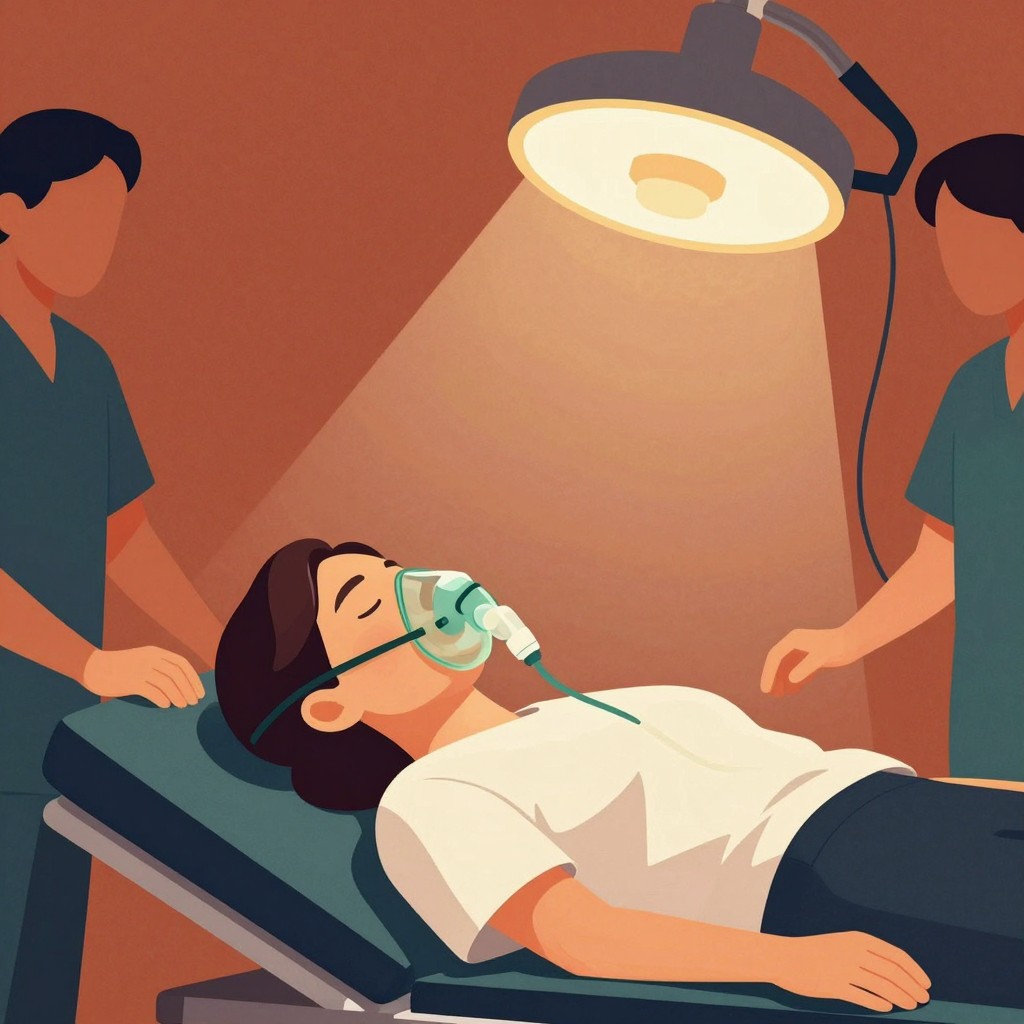
Mira: There is a tiny moment before surgery when the room holds its breath. You're lying back, soft lights overhead, monitors offering steady reassurance, and then, um, this is the first breath away. Today, we're walking through induction, the beginning of going under. Theo: Right, not the whole anesthesia story, just that crossing. Usually an IV is in place. Medicine enters the bloodstream and reaches the brain quickly. Sometimes, especially for children, anesthetic gas is breathed through a mask, traveling from lungs to blood to brain. Mira: The mask may feel cool, maybe smell unfamiliar. You might feel drowsy, floaty, or briefly hear voices getting farther away. And, you know, it’s okay if that feels like a big moment. Theo: The medicines turn down communication between nerve cells. Think of the brain’s busy message traffic becoming quieter, less coordinated. Central nervous system activity is depressed, so consciousness fades. This is general anesthesia, used when surgery needs you fully unconscious, unlike local or regional anesthesia, which numb an area. Mira: Meanwhile, they’re watching your oxygen level, heart rhythm, and blood pressure, because this transition can change breathing and circulation quickly. The team is ready to support your airway, too. Theo: Induction often starts working within seconds, though they keep watching as it settles. Then comes maintenance, and later, emergence. Mira: For now, you don’t have to do anything perfectly. Breathe, ask what’s on your mind... Next time, we’ll stay with you through the surgery itself.
Episode 2 · Maintenance to emergence: waking back up
Mira: Last time, in “Induction: the first breath away,” we followed that quiet drift downward. Now, um, the room doesn’t stop, it becomes this careful, steady vigil. Theo: Right. Maintenance is not leaving someone on autopilot. The anesthesia team keeps adjusting the balance, anesthetic vapor through the machine, or medicines through IV pumps, while watching heart rate, blood pressure, and oxygenation continuously. Mira: And beside the patient, there’s that airway plan. Maybe a mask, maybe a soft laryngeal mask, or a breathing tube. It can look, you know, like a lot, but it’s there to keep the airway open and breathing supported. Theo: Small correction, because it matters, the device depends on the surgery and the person. With a tube, a ventilator may do the breathing. With other approaches, clinicians still watch every breath, every oxygen level. Mira: Then, when surgery is nearly done, things begin to shift. The vaporizer may be turned down, IV medicines reduced or stopped, and there’s this, uh, tender waiting for the mind to find its way back. Theo: Emergence isn’t simply induction in reverse. It’s active. Drugs are metabolized or breathed out, pain is managed, and the team checks that breathing is strong enough. If there’s a tube, it comes out when it’s appropriate and safe. Mira: Some people wake confused, nauseated, coughing, or a little frightened for a moment... Theo: Which is why the PACU is still close monitoring, not just, “Okay, goodbye.” Mira: You may not remember any of it, but someone is there through every breath, every number, every return. Take good care.