 2 EP
2 EPEpisodes
Transcript
Episode 1 · Morning Notes and Small Repairs
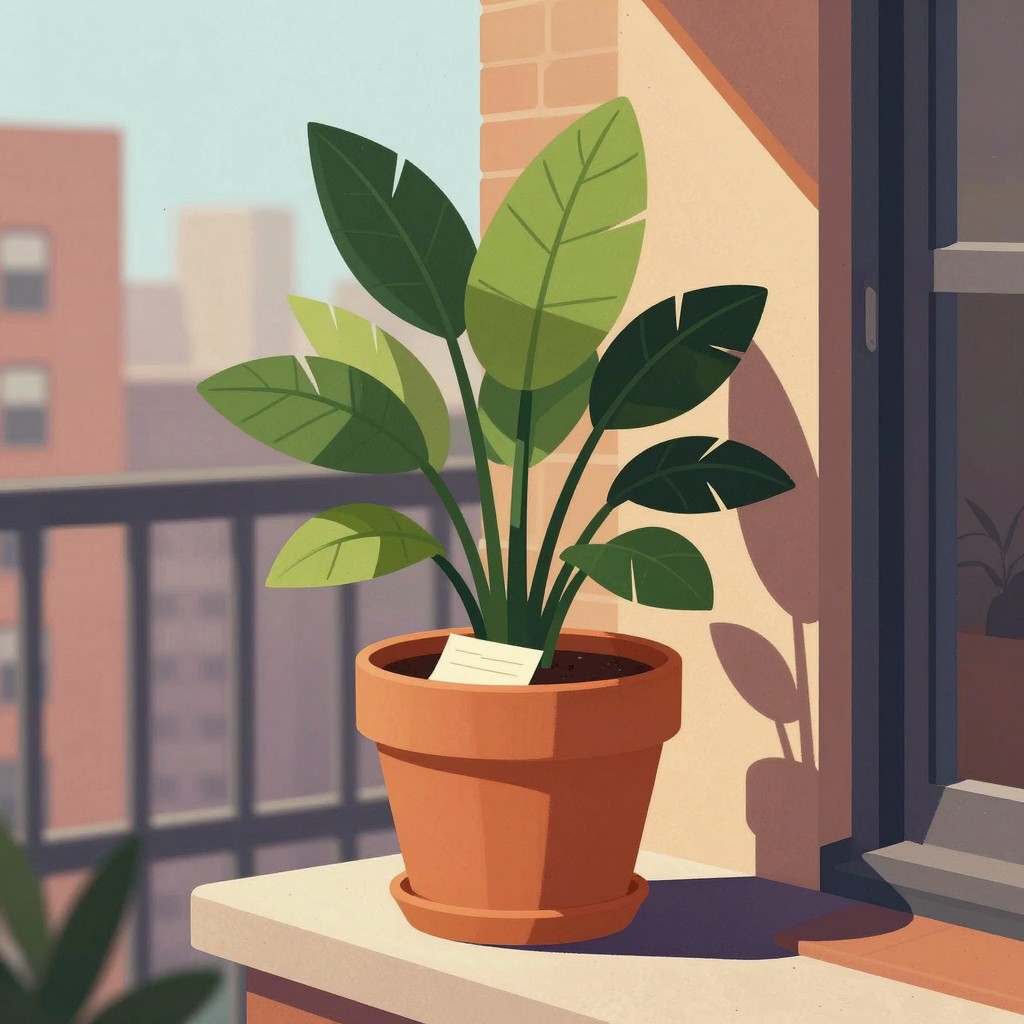
Maya: The first evidence of Amura is often a note no larger than a palm. Eli: Before anyone has had coffee. Maya: Before that, really. The kettle begins its low work. Keys settle into her hand. And at the front door, there is that familiar hum, as if morning has switched itself on. Eli: And she is already looking outward. Maya: Yes. Each morning, on her way down, Amura waters her neighbor’s plant, a jade cutting in the hall window. Then she leaves a sticky note in the elevator: “Good morning. You’re doing better than you think.” Eli: A note in an elevator is easy to miss. Maya: It is. But perhaps that is part of the tenderness. It asks nothing back. Eli: Then the bus stop? Maya: A child’s shoelace has come loose. Amura kneels, re-ties it, checks the other shoe too. The bus arrives, and the whole exchange is over in seconds. Eli: Small repairs, but not small to the person standing there. Maya: Her friend sent us a voice memo: “Amura notices the moment before someone has to ask. She makes the day feel less sharp.” Eli: Do we know where she learned that? Maya: She remembers her mother saying, “Doing the little things matters.” Not advice exactly. More like a household rule. Eli: A way of moving through the world. Maya: Next time, we follow that way of moving through a harder day. This is Amura, the Good Girl. Thanks for listening.
Episode 2 · Goodness That Ripples
Maya: Last time, in “Morning Notes and Small Repairs,” we talked about Amura’s quiet habits, the little things she notices before anyone asks. Eli: A loose button. A forgotten lunch. The kind of care that can almost disappear if you are not looking for it. Maya: Right. But this week, that care is harder to miss. We’re at a community potluck, plates clinking, somebody laughing softly near the dessert table, and Amura is standing by the rice cooker, trying very hard not to be the center of attention. Eli: Which, of course, makes everyone look at her. Maya: A neighbor raises a cup and says, “Thank you for covering groceries for Malik and his kids.” Malik is a single dad. Amura had been quietly paying his grocery bills for weeks. Eli: And she did not tell anybody. Maya: No. She sort of looks down, smiles, says, “He needed a little room to breathe.” Eli: Can I ask the question that people around her probably ask? Why does Amura keep doing this? Maya: I think she sees help as something ordinary. Not heroic. Not even especially generous. Just, um, if you have enough for today, and someone else does not, you make room. Eli: There is a humility in that. She is not trying to rescue anyone. She is trying to make the week less frightening. Maya: Exactly. And later, while people are packing leftovers, her phone gives that little voicemail ping. She listens, then reads a text from a friend. Maya: “I came home and found the pharmacy receipt paid. You didn’t even leave your name. I don’t know how you knew I was worried, but I slept last night. Thank you.” Eli: “I slept last night.” That is such a small sentence, and it is not small at all. Maya: No. Around them, the dishes keep clinking. Someone offers someone else the last piece of cake. The room is full of these tiny exchanges. Eli: Goodness, maybe, does not stop where it lands. Maya: Later, Amura sits on her fire escape, looking out at lit windows, the evening settling in. And somewhere below, someone is breathing easier. Eli: And maybe passing that ease along. Maya: That’s “Amura, the Good Girl.” Thanks for listening.